Quick Answer
A great burger starts with quality beef mince (80% lean, 20% fat), seasoned simply with salt and pepper just before cooking. Cook it on a scorching hot surface for a proper sear, serve on a toasted bun, and keep toppings balanced so every ingredient can be tasted.
In this article
Why the 80/20 Meat Ratio Matters
The single most important factor in a great burger is the quality and fat content of the beef mince. The widely accepted standard is 80% lean meat to 20% fat, often referred to as the “80/20 rule.”
Fat is not the enemy here — it is the flavour carrier. During cooking, the fat renders and bastes the meat from within, keeping the patty moist and delivering that rich, beefy taste. As Serious Eats’ Burger Lab has demonstrated, the 80/20 ratio consistently outperforms leaner grinds in blind taste tests. Go too lean (90/10 or higher) and you end up with a dry, crumbly patty that tastes closer to meatloaf than a proper burger.
At Hendrick’s, every beef burger on our menu uses quality mince with the right fat balance to ensure each patty is juicy and full of flavour, whether you order the Mr Brightside ($14.90) or the loaded Space Man with double cheese, pickles, bacon and our house sauce ($15.90).
How to Season a Burger Properly
One of the most debated topics among burger makers is when and how to season. The answer is simpler than most people expect.
Season the outside of the patty, not the mince. Mixing salt into the raw mince before forming the patty creates a sausage-like texture because the salt breaks down the proteins and makes the meat bind together too tightly. Instead, form your patty first, then season the outside generously with salt and pepper just before it hits the cooking surface.
This technique keeps the inside of the patty tender while the seasoned exterior develops a flavourful crust during cooking.
The Right Cooking Technique (and the 5-6-7 Rule)
Heat is the second most important factor. A properly hot cooking surface is what creates the Maillard reaction — the chemical process responsible for that deep, savoury crust on a well-cooked burger. This is also why smash burgers have become so popular — pressing the patty flat maximises contact with the hot surface.
The 5-6-7 rule for grilling
If you are cooking standard-thickness patties (about 2cm) over medium-high heat, the 5-6-7 rule is a reliable guideline:
- 5 minutes per side — medium-rare
- 6 minutes per side — medium
- 7 minutes per side — well-done
The key rule during cooking: do not press the patty with a spatula. This is the most common mistake home cooks make. Pressing squeezes out the fat and juices, leaving you with a dry burger. Place the patty, leave it alone, flip once, and let the heat do the work.
Why the Bun Matters More Than You Think
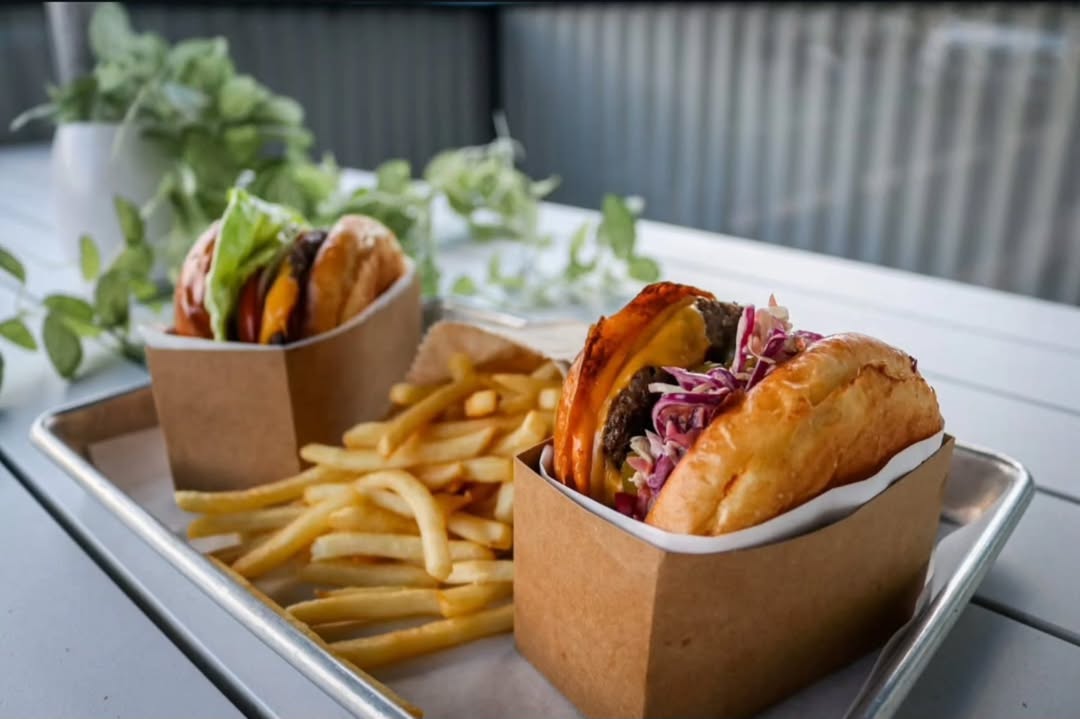
A great burger on a poor bun is a wasted effort. The bun serves three functions: structure, texture contrast, and flavour absorption.
Structure: The bun needs to hold together through the entire eating experience. If it falls apart after the second bite, it does not matter how good the patty is. Brioche and milk buns are popular because they offer softness with enough structural integrity.
Texture contrast: Toasting the cut side of the bun creates a thin barrier that slows sauce and juice absorption. This gives you a crispy interior surface against the soft outer bun and juicy fillings.
Flavour: A quality bun adds a subtle sweetness and butteriness that complements the savoury patty. A plain white roll tastes flat by comparison.
Toppings: Less Is More
The best burger toppings complement the patty rather than competing with it. A common mistake is overloading a burger with so many ingredients that no individual flavour comes through.
A well-constructed burger follows a simple formula:
- Cheese — melted directly on the patty (American for melt, Swiss for nuttiness, cheddar for sharpness)
- Something fresh — lettuce, tomato, or pickles for crunch and acidity
- Something savoury — caramelised onion, bacon, or mushrooms for depth
- A good sauce — ties everything together without drowning the other flavours
You can see this principle across the Hendrick’s burger menu. The Neon Tiger pairs Nashville-style hot chicken with American cheese, pickles and ranch — four complementary layers. The Glamorous Indie takes a different direction with beetroot relish, avocado, Swiss cheese and aioli. Each burger keeps the topping count deliberate. Once you have picked your burger, check out our guide to the best sides to complete your meal.
Common Burger Mistakes to Avoid
| Mistake | Why It Happens | The Fix |
|---|---|---|
| Mince too lean | Choosing “healthy” 95/5 mince | Use 80/20 for juicy patties |
| Pressing the patty | Trying to speed up cooking | Flip once, leave it alone |
| Cold cooking surface | Not preheating long enough | Preheat grill/griddle 10+ minutes |
| Seasoning the raw mince | Following meatball/meatloaf habits | Season the outside after forming |
| Too many toppings | Excitement over restraint | Stick to 4-5 complementary layers |
| Soggy bun | Not toasting, resting on plate too long | Toast cut side in butter, serve immediately |
Frequently Asked Questions
What makes a really good burger?
A great burger comes down to five elements: quality beef mince (80% lean, 20% fat), proper seasoning with salt and pepper just before cooking, a toasted bun that holds up to juices, fresh toppings that complement rather than overpower, and the right cooking technique for a good sear.
What does 80/20 mean for burgers?
80/20 refers to the lean-to-fat ratio in beef mince: 80% lean meat and 20% fat. This ratio is widely considered the ideal balance for burgers because the fat keeps the patty moist and flavourful during cooking, while enough lean meat maintains structure and texture.
What is the 5-6-7 rule for burgers?
The 5-6-7 rule is a timing guideline for grilling burgers: cook 5 minutes per side for medium-rare, 6 minutes per side for medium, and 7 minutes per side for well-done. This works for standard patties about 2cm thick over medium-high heat.
How do restaurants make burgers taste so good?
Restaurants use high-quality mince with the right fat content, cook on extremely hot surfaces for better caramelisation, season generously, toast their buns in butter, and use sauces and toppings that are made fresh. The high heat and proper technique create flavours that are hard to replicate on a home barbecue.
What are common burger-making mistakes?
The most common mistakes are: using mince that is too lean (go for 80/20), pressing the patty with a spatula while cooking (squeezes out juices), not seasoning until after cooking, using a cold cooking surface, overloading toppings so the burger falls apart, and using buns that are too soft to hold up to the fillings.
What to put on a burger to make it good?
The best burger toppings balance flavour and texture. Start with cheese (melted on the patty), add something fresh (lettuce, tomato, pickles), something savoury (caramelised onion, bacon), and finish with a quality sauce. Avoid overloading with more than 4-5 toppings so each ingredient can be tasted.

Hendrick’s Burgers & Salads
Serving Caulfield South and surrounds since day one. We handcraft every burger, schnitzel and salad bowl fresh to order at 181A Booran Rd, Caulfield South. Learn more about us.